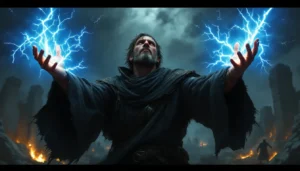
In the chaotic world of Rust, survival isn’t just about gathering resources and crafting weapons; it’s also about the art that brings this gritty landscape to life. From the rusted remnants of civilization to the breathtaking sunsets over desolate terrain, the game’s visuals create an immersive experience that keeps players hooked. Who knew that pixelated mayhem could be so aesthetically pleasing?
But let’s be honest—while players are busy dodging bullets and raiding bases, they often overlook the artistry behind it all. The textures, colors, and design choices not only enhance gameplay but also tell a story of decay and resilience. Dive into the fascinating world of Rust game art, where every frame is a canvas and every rusted metal piece has a tale to tell. Get ready to appreciate the beauty amidst the chaos—because who wouldn’t want a little art with their survival horror?
Overview of Rust Game Art
Rust features a distinctive art style that enhances the survival experience. Players encounter a rugged, post-apocalyptic environment filled with detail. Textures illustrate wear, degradation, and the passage of time. Shades of brown and gray dominate the landscape, evoking feelings of desolation yet allowing glimpses of beauty in the decay.
Colors contribute significantly to the game’s mood. Vibrant greens stand out against the otherwise muted background, reminding players of life amidst chaos. Elements like trees, rocks, and dilapidated structures create a cohesive world that feels alive. Artistic choices encourage exploration and interaction.
Design choices focus on immersion. The game’s environments, such as forests and deserts, reflect real-world ecosystems. These ecosystems enrich gameplay by providing diverse resources and challenges. Interaction with these environments often leads to unexpected encounters, enhancing the overall experience.
Lighting and weather effects add another layer to the art. Changing conditions influence visibility and atmosphere, impacting gameplay mechanics. For instance, fog may obscure views, creating tension during encounters with other players. Sunsets bathe the landscape in warm hues, offering players a momentary respite from the harsh realities of survival.
Furthermore, character and item designs contribute to the narrative. Each character’s appearance hints at their backstory. Rust encourages individual expression through player customization. Additionally, items like weapons and tools possess distinct designs that reflect use and crafting. These elements strengthen the immersion and contribute to storytelling.
Art in Rust does not merely embellish the game; it is foundational to its identity. Through thoughtful visual design, the game captivates players and deepens their connection to the survival experience.
Visual Aesthetic of Rust

Rust’s visual aesthetic immerses players in a gritty world that reflects survival’s harsh realities. Textures and colors work together to evoke feelings of decay, resilience, and tension.
Color Palette
Rust’s color palette primarily features muted browns and grays. Earthy tones dominate the landscape, creating an atmosphere of desolation. Vibrant greens break through this palette, symbolizing life and hope amidst chaos. Various shades enhance the game’s depth, highlighting environmental contrasts. Players encounter rusted metal, barren landscapes, and overgrown foliage, stimulating their senses. Each color choice serves to enrich the overall experience, drawing players deeper into the game’s world.
Environmental Design
Environmental design in Rust focuses on realism and detail. Elements showcase wear and tear, reinforcing the game’s themes of survival. Players navigate diverse biomes, each with unique challenges and resources. Forests, mountains, and coastlines provide distinct visual contexts, encouraging exploration. The layout invites players to discover hidden areas and materials essential for crafting. Natural light and dynamic weather add further complexity, influencing gameplay and atmosphere. These aspects combine to construct a world that feels alive, accentuating the survival experience.
Character Design in Rust
Character design in Rust significantly enhances the immersive experience. Each player model reflects the reality of survival, showcasing details like clothing wear and facial features that indicate hardship. Customization options allow players to personalize their appearance, promoting uniqueness in interactions.
Player Models
Player models exhibit a gritty realism that aligns with the game’s harsh environment. Various skins are available, featuring distinct visual elements to express individuality. Gender features are included, supporting diverse character representation. The design promotes a sense of identity among players, distinguishing them in the chaotic world of Rust. Environmental effects can also alter appearances, showcasing the impact of time and conflict on each model.
NPCs and Creatures
NPCs and creatures enrich the game’s ecosystem, contributing to its dynamic world. Characters such as scientists and hostile raiders engage players and foster interaction. Unique designs make each NPC memorable, often representing factions with distinct aesthetics. Creatures, like bears and wolves, provide challenges and reinforce survival themes. Details in fur textures and movement patterns enhance the realism of wildlife encounters, emphasizing the struggle for survival in a harsh landscape.
Influence of Art on Gameplay
Art significantly shapes gameplay in Rust by immersing players in a gritty, post-apocalyptic world. Colors, textures, and environmental details evoke emotions and influence player decisions. Textures displaying wear and decay communicate the harsh realities of survival, which players encounter while scavenging for resources.
Visual elements, such as the muted browns and grays, bring a sense of desolation. Vibrant greens symbolize life, contrasting sharply against the otherwise bleak environment. Each biome, from forests to mountains, presents unique challenges that art reinforces, beckoning players to explore and adapt. The play area is rich with hidden locations, driving the desire to discover essential crafting materials.
Natural lighting creates dynamic atmospheres, heightening tension as day transitions to night. Storms and weather patterns also impact visibility and strategy, forcing players to adjust their approach based on environmental conditions. Such artistry enhances the overall experience, compelling players to remain vigilant.
Character design mirrors the surroundings, enhancing immersion further. Detailed models reflect personal hardship through clothing wear, while customization options promote individuality. Every player skin adds a layer of uniqueness, creating memorable interactions among participants.
Creatures and NPCs also contribute to the game’s ecology through distinct designs. Hostile raiders and scientists introduce opportunities for conflict and collaboration. Their tangible traits reinforce realism, while animals like bears and wolves challenge players’ survival instincts.
Visual artistry underpins every aspect of Rust, solidifying its identity and enriching the survival experience. Through careful design choices, the game captivates players, fostering deeper engagement with the game’s rugged environment.
Community Contributions to Rust Art
Community involvement significantly enriches Rust’s artistic landscape. Players showcase creativity through custom skins and fan art, capturing the game’s gritty essence. Platforms like Steam and social media host vibrant discussions surrounding player-generated content.
Artists contribute unique designs that enhance the visual experience, reflecting individual interpretations of Rust’s world. Modders explore new artistic possibilities, transforming existing assets into innovative creations. Community events, such as art contests, spotlight the talent within the player base, fostering a sense of connection.
Collaboration occurs frequently among players, leading to impressive builds and artwork shared across various platforms. Tutorials and walkthroughs promote the sharing of techniques, enabling aspiring artists to refine their skills. Streaming and video platforms feature gameplay that highlights community art, amplifying visibility of user-generated content.
Active communities provide feedback, allowing artists to evolve their work based on player input. This interaction cultivates a respectful environment where critiques help hone skills and inspire new directions. Appreciation for community contributions flows throughout discussions, with many players acknowledging how these additions enhance their experience.
Players celebrate standout pieces by sharing them on social media, which amplifies recognition for creators. Highlighting exceptional work encourages continued artistic endeavors and collaboration within the community. The ongoing dialogue between players and creators solidifies the importance of contributions to Rust’s evolving artistic identity.
Conclusion
Rust’s art is more than just visuals; it’s a crucial part of the survival experience. The game’s distinctive textures and colors create an atmosphere that immerses players in a world of decay and resilience. Each design choice—from character models to environmental details—enhances the narrative and emotional depth.
Community contributions further enrich this artistic landscape, showcasing creativity and collaboration among players. As they share custom skins and fan art, they help shape Rust’s evolving identity. This ongoing dialogue between players and creators ensures that the art remains dynamic and relevant.
Ultimately, the artistic elements of Rust not only captivate players but also deepen their connection to the harsh realities of survival. The blend of creativity and gameplay creates a unique experience that continues to resonate within the gaming community.